


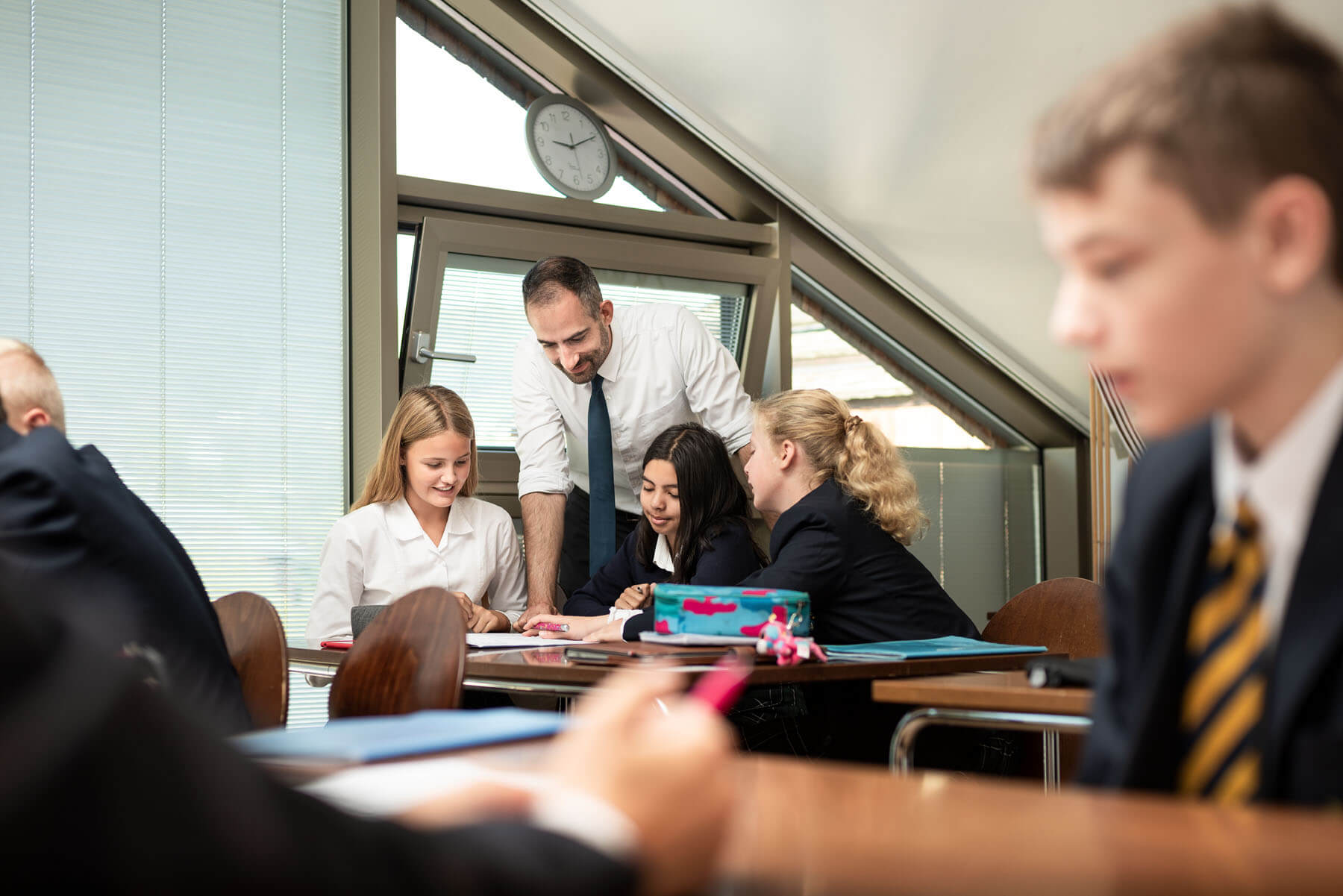


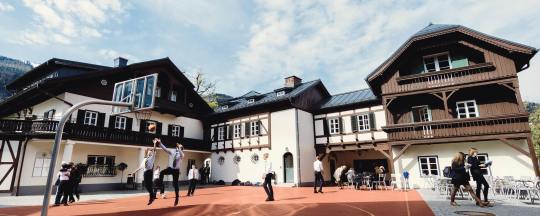


At St. Gilgen International School, we are committed to creating a learning environment where students can focus, build meaningful relationships, and develop healthy digital habits. Recognising both the benefits and challenges of mobile technology, we aim to operate as a largely phone-free campus and have introduced a clear, age-appropriate approach to mobile phone use.
A clear, age-appropriate approach
For students in Grades 4–10, mobile phones are not permitted during the school day, including after-school activity times. Older students in Grades 11–12 may use their phones only briefly and only within designated areas in the library building. Across the campus, our guiding principle is simple:
“Not seen, not heard, not used..”
Our guiding principle across campus
Supporting wellbeing and connection
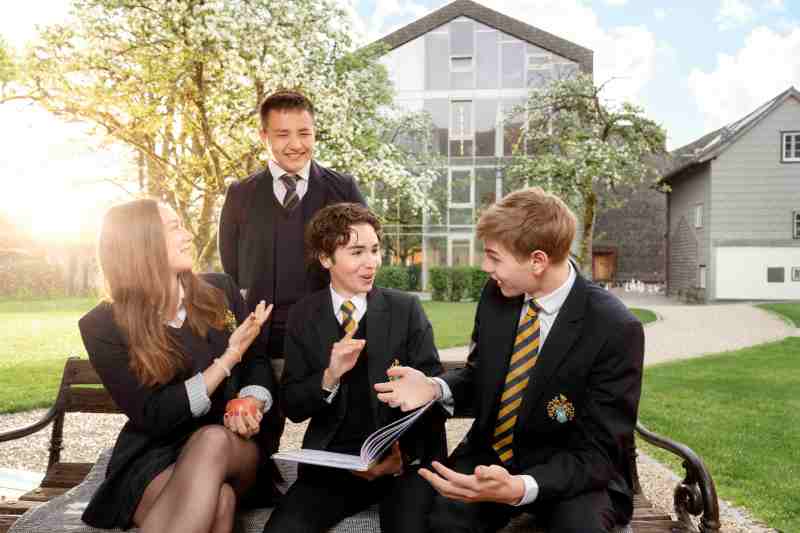
This approach is designed to support student wellbeing by reducing distractions and encouraging students to be fully present in their daily experiences. By creating a phone-free campus, students are more likely to engage in face-to-face conversations, participate actively in lessons and activities, and build stronger connections with their peers.
Technology-enabled, purposefully used
At the same time, being phone-free does not mean being technology-free. St. Gilgen International School is not an online school, nor do we believe that every aspect of learning should take place through a screen. Instead, we see ourselves as a ‘technology-enabled’ school, where digital tools are used purposefully to enhance learning, increase access to knowledge, and help students develop the skills they need for the future.
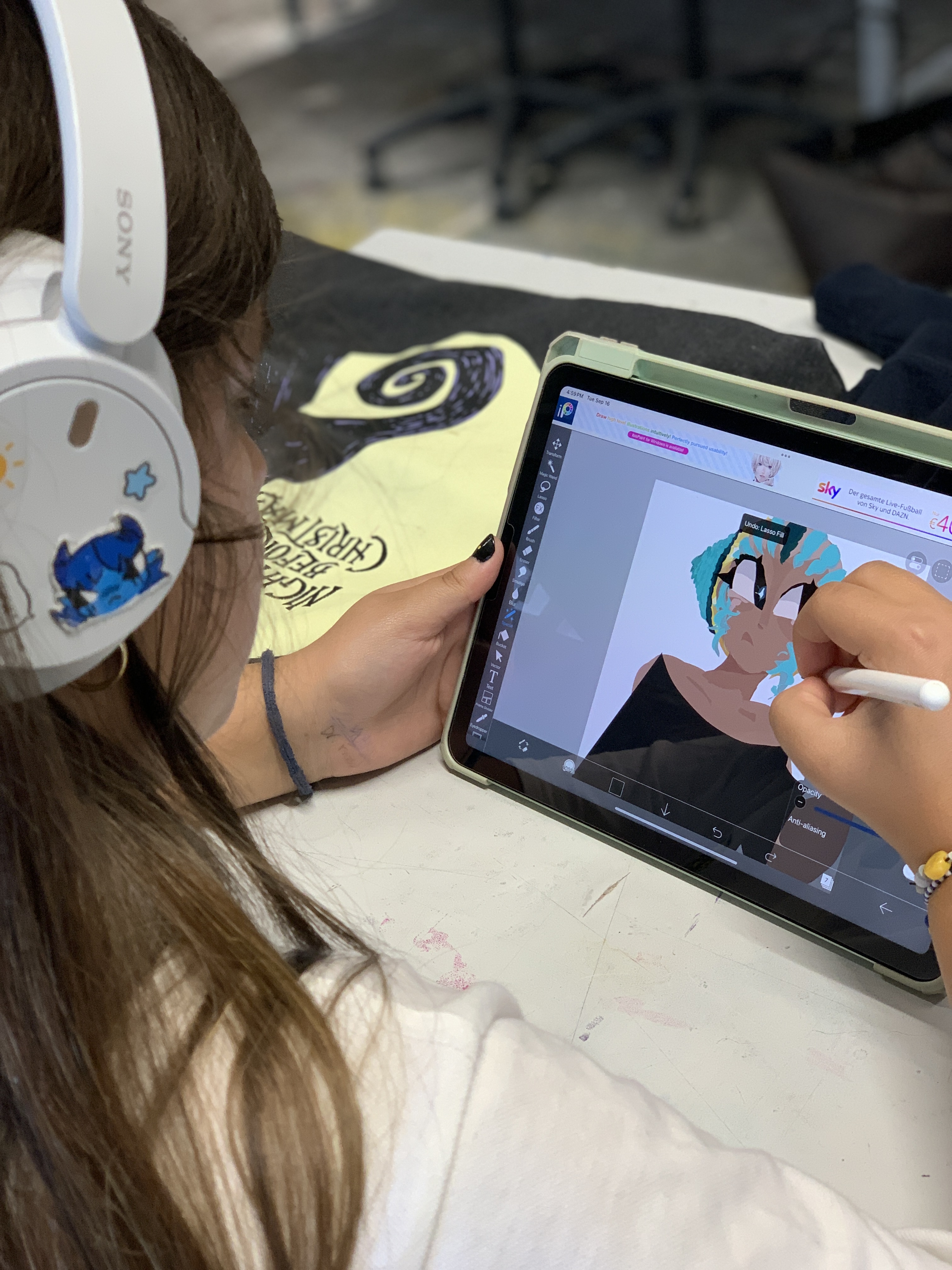
Technology is a powerful tool, but it is not always the best tool. Some learning experiences are enriched by using laptops, digital resources, or collaborative online platforms. Others are most effective through discussion, hands-on activities, practical experimentation, reading, reflection, or creative work away from a screen. For this reason, laptops are away by default and are brought out only when they serve a specific educational purpose. This helps students learn to make thoughtful choices about when technology adds value and when it may distract from deeper learning.
Guiding the responsible use of AI
The rapid development of Artificial Intelligence (AI) brings exciting new opportunities for education, creativity, and problem-solving. At StGIS, we embrace these opportunities while recognising our responsibility to guide students in using AI wisely. Our approach is grounded in our principles of responsible, ethical, and sustainable use of technology.
To support this, we use a clear AI Traffic Light System that helps students understand when AI use is encouraged, permitted with guidance, or not allowed. This framework promotes transparency, academic integrity, and responsible decision-making, ensuring that AI supports learning rather than replacing it.
Finding the right balance
Ultimately, our approach to mobile phones, technology, and AI is centred on balance. We want students to benefit from the opportunities that technology provides while also developing the attention, relationships, judgement, and self-discipline needed to thrive in an increasingly digital world. By creating a learning environment where technology serves education rather than dominates it, we foster a positive school culture where learning, wellbeing, social interaction, and a strong sense of community can flourish.